
BadBox 2.0 is a large-scale malware campaign hiding inside cheap, off-brand Android streaming boxes.
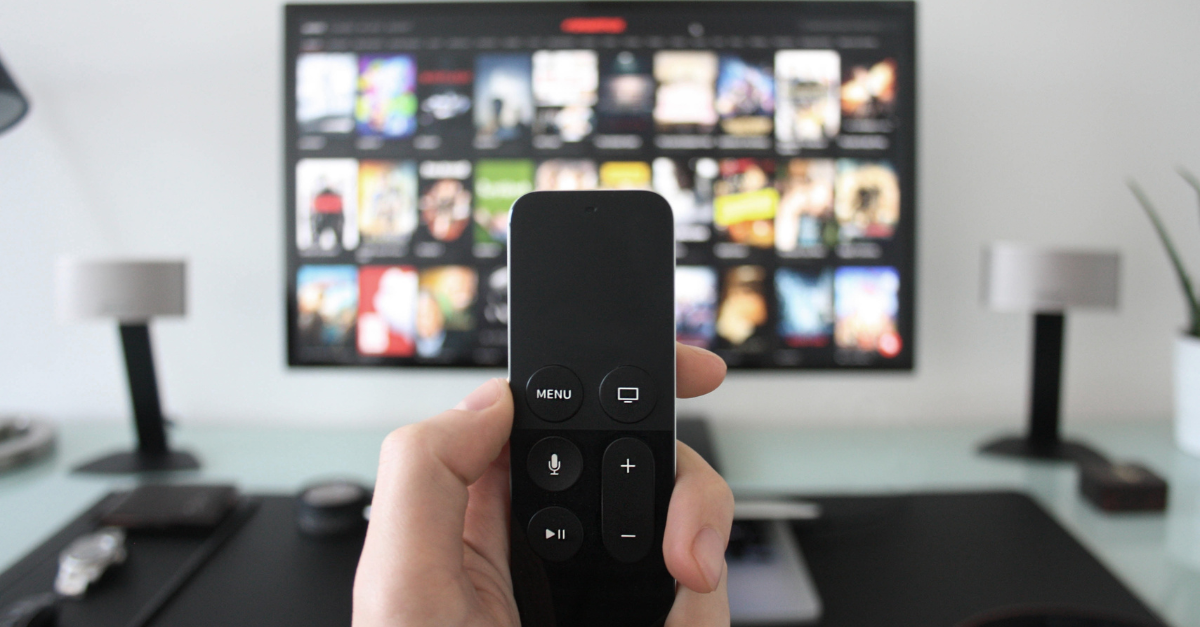
In many cases the infection is baked in before the device ever leaves the factory. These boxes are marketed as a bargain, promising free access to services like Netflix, ESPN, and Hulu for a one-time payment of around $300 or less. What the buyer brings home is a device that quietly enlists their internet connection into a global criminal botnet.
In this blog, we will cover what these boxes are, what they do to the people who buy them, and what you can say to the people in your life who are about to buy one or already have.
Here’s the Short Version of How These Boxes Work
The moment one of these devices connects to a home or office network, it goes to work for someone else. That connection gets folded into a botnet used for ad fraud, credential stuffing, fake account creation, and residential proxy services, all while the box keeps streaming movies for its owner exactly as promised.
These are not fringe products traded in some shadowy corner of the internet. They have shown up on Walmart’s online store, Amazon, and Best Buy, and more recently on Facebook Marketplace and TikTok Shop. To make matters worse, they carry thousands of seemingly genuine reviews from real-sounding buyers who claim the devices work fantastically.
What Is BadBox 2.0 Malware?
BadBox 2.0 is the malware that powers a botnet, which is a network of hijacked machines under remote control. In this case, it is made up of millions of compromised IoT devices, primarily Android-based products.
Devices get compromised in one of two ways:
- Infected before you open the box. Some arrive with a back door already pre-loaded during manufacturing or distribution, so the device is working against you from the first power-on.
- Infected during setup. Others become compromised when the user is nudged to download apps from unofficial marketplaces, which quietly deliver the malicious code.
Why Cheap Streaming Boxes Are the Perfect Trojan Horse
The appeal of these boxes starts with a frustration most individuals recognize. You spent years paying for cable, then switched to streaming because it was cheaper. Then Netflix and Hulu raised their prices. You added Disney+ for the kids and ESPN+ for football season, and suddenly you are paying over $120 a month and are fairly sure that is more than cable ever was.
With that messaging, a one-time purchase that promises every service for “free” is an easy sell. For a lot of people, that math sounds unbeatable. $300 once versus $120 a month forever, is a break-even point in under three months.
But when a box costs a fraction of a name-brand alternative, the razor-thin hardware margin is often subsidized by the value of your compromised connection. You paid once. The device keeps paying dividends to someone else for as long as it stays plugged in.
Why Does Being Sold at Trusted Retailers Make It Worse?
It would be easier to dismiss these boxes if they only surfaced on sketchy websites. They do not. Most people reasonably assume that if a product is stocked by a familiar retailer or sits atop the “best seller” and “top rated” listings, someone has already vetted it for safety. In reality, no one has.
What Is the Technical Weak Link?
The common thread across these devices is uncertified Android. Many of them run the Android Open Source Project without Google certification, which means they skip the security vetting that certified devices must pass.
Why Your Home Network Is the Real Prize
Because the box streams flawlessly, the owner has no reason to suspect anything is wrong. Pair it with an opaque supply chain of unrecognizable brands and rotating storefronts that make accountability nearly impossible.
What the attackers are actually after is your residential IP address. A home IP is far more valuable to criminals than a data center IP, because fraud-detection systems are built to trust residential traffic.
How the Malware Works
Security researchers have taken these boxes apart, not one of them but dozens across different brands and models, and they keep arriving at the same findings:
- The box calls home before you touch the remote. Many devices begin contacting remote servers during initial setup, sometimes before the owner has finished configuring anything. Researchers have traced a portion of that traffic to infrastructure in China, including servers tied to large, recognizable technology firms as well as companies no buyer would ever recognize.
- The infection is shipped with the device. The malicious code is frequently baked into the firmware before purchase, giving it deep, persistent access below the app layer.
- Your behavior is turned into a product. The data these devices collect is often used to target the owner with fraudulent advertising, feeding the ad-fraud engine at the center of the botnet.
- Security features are deliberately disabled. Some setups push unofficial app stores and prompt the user to disable Google Play Protect. No legitimate streaming setup requires you to turn off Play Protect, so that prompt is not a setup step. It is the attack.
- Once a device is enrolled, it can run fraud. Including ad fraud, click fraud, credential stuffing, fake account creation, and residential proxy routing, often several of these at the same time.
How Extensive Is the Issue?
The scale is the part that surprises most people. The FBI’s BadBox 2.0 advisory listed more than 50 specific device models known to be affected, and that figure dates back over a year, before this year’s additional discoveries.
What makes the numbers credible is that multiple independent authorities converged on the same picture rather than relying on a single source:
- Over 1 million consumer devices actively infected
- 222 countries and territories with confirmed infections
- More than 10 million uncertified Android devices cited as the vulnerable population
The Cheapest Device Can Cost You the Most
Botnets are only as powerful as the number of devices they commandeer, which means every clean network is one fewer node available to criminals.
- Your network is not safe with one of these boxes on it. This is not an abstract problem. It is about your household, your organization, and every device on the Wi-Fi you pay for.
- You are sharing your bandwidth without knowing it. These boxes quietly split your connection with strangers. Your streaming keeps working, but in the background, criminals route their own traffic through your internet as if it were theirs.
- It can look like you committed the crime. When those strangers do something illegal, the trail leads back to your IP address, not theirs. As the FBI warned in its June 2025 Public Service Announcement, once a device is compromised, its IP address can be used to mask illegal activity, making the consumer appear responsible.
What You Can Do Right Now
1. Do not buy these boxes. The $300 box is not free streaming. It is unauthorized streaming on a device that steals from you in the background. Legitimate alternatives cost far less and receive real security updates like Amazon Fire TV Stick, Roku Express, or Chromecast with Google TV.
2. If you already own one, unplug it and destroy it. The malware lives in the firmware, so a factory reset will not remove it, and reselling it only passes the problem on. Physical destruction is the only real fix.
3. Send this to the family, coworkers, and friends most likely to grab a cheap box.
If you want certainty about what is connected to your business network, talk to the WIN Technology team. We can help you identify an issue before someone else does.